
This photo essay by Edmonds resident David Richman is republished with his permission from the Daily Kos, originally published on May 30, 2020.
EDMONDS MARSH IN THE SUMMER - A Photo Essay by David Richman
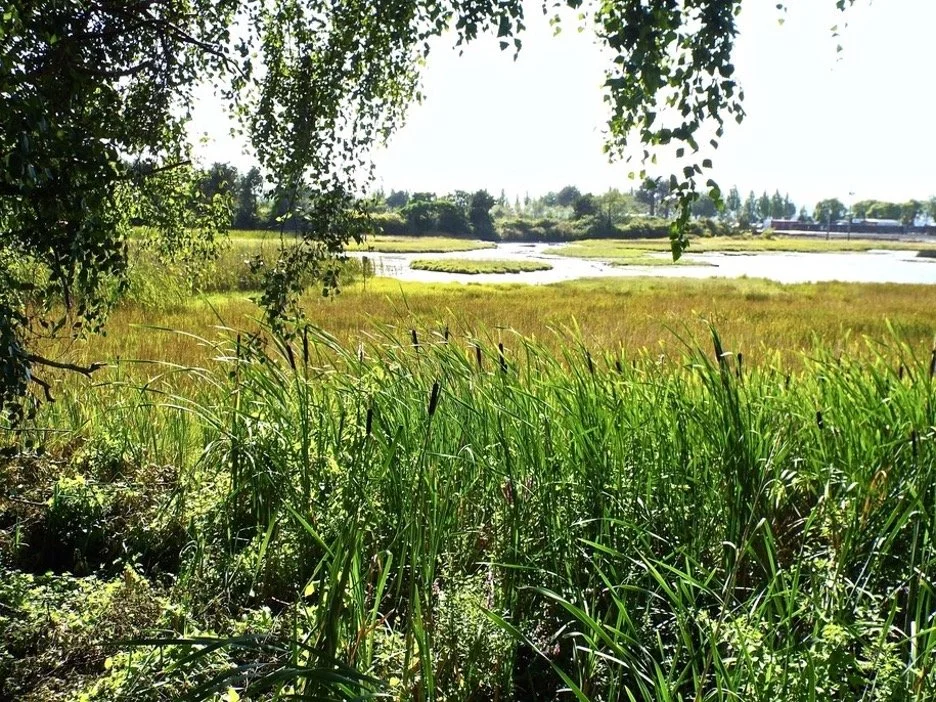
Edmonds Marsh in the summer.
Birders have recorded nearly 100 species of birds at Pine Ridge Park in Washington state, as I reported in a recent diary, but over 180 have been documented at Edmonds Marsh, a few miles southwest along Puget Sound. In fact the Marsh is really an estuary that has been largely cut off from the sea by the railroad and other developments. It is about the same size as Pine Ridge Park, but there are over 20 additional forested and wetland acres to the south, the site of a past fuel holding and transfer facility and which has been in the process of cleanup for years. The estuary once encompassed over 100 acres and was a source of many resources used by local Native Americans. The 22 acres left are now a park and wildlife refuge in Edmonds, Washington, a city of about 40,000 north of Seattle, and they serve as a test of the question- “can a wild estuary be maintained and retain its character and wildlife within an urban setting?”
I moved to the area in 2015 and was almost immediately involved in the struggle to retain, enhance and expand the Marsh by first establishing proper buffer areas, even if they overlapped with current developments. We had excellent leadership and I volunteered to become the chairperson of the science committee within the Save Our Marsh group. My colleagues on the committee and I developed data bases that our group used to eventually convinced the city council that we needed at least 100 ft. buffers. After this we dissolved the committee and I have become less active. Now the group is pushing for adding the old bulk fuel terminal to the park and to use it to restore access for salmon to the creeks.
Having outlined the history of the area and what citizens have done to save it, I can now discuss its function, the biota it contains and why it should be saved.
An estuary is a complex system. In the upper part the water is completely fresh and is fed into the Marsh by two creeks- Shellabarger and Willow Creeks. Ideally in mid-estuary the freshwater joins incoming sea water to form a brackish portion of the Marsh. As the Marsh empties into Puget Sound the water should gradually becomes more saline as the tide brings saltwater back into the area. Unfortunately the Edmonds Marsh Estuary is connected to the sea through a long pipe that has a tide gate in it which prevents saltwater from entering the estuary in late fall and winter. The tide gate is closed because of winter high tides during heavy rain that can flood the area. Because of the lack of consistent tidal water cattails and giant reeds have invaded the area. The ultimate plan is to connect the creek system directly to the Sound openly and to allow a normal rhythm of sea ebb and flow.
The base of an estuarine food pyramid is formed by the microorganisms — algae, including diatoms, as well as cyanobacteria and zooplankton. Green vascular plants are important in the next level as these produce the food basis for the insects, reptiles, mammals and birds that frequent the Marsh. The trees, shrubs and herbaceous plants also provide shelter and nesting material and of course photosynthetic organisms like algae and vascular plants produce oxygen and sequester carbon dioxide.
Unfortunately, as in just about all ecosystems in the U.S., the Marsh is subject to invasion from introduced organisms, accidental or deliberate, and this has altered the ecological systems. Among these are Purple Loosestrife, Bittersweet Nightshade, Giant Reed, and some other vascular plants, along with Eastern Gray Squirrels, Eastern Cottontails, Bullfrogs, European Starlings, House Sparrows, Cross Spiders, Red Soldier Beetles, and Zebra Spiders. Some of these are probably not especially damaging, but they do change the character of the Marsh.
The Marsh is a small, but important component of the ecosystems surrounding Puget Sound, many of which have already been lost to human activity. As such it is one of the areas needed for the eventual recovery of the Sound and indeed the whole Salish Sea. If we humans want to protect the environment, even during the likely future changes in climate that will challenge us, we will first have to learn to live with it even in our cities. The services rendered by even such a small area are invaluable to both our physical and mental health and a hedge against extinction not only of a marvelous biota, but perhaps eventually of ourselves.
Following is a series of my photographs made in the Marsh and at the adjacent Willow Creek Hatchery (salmon), mostly of only some of the rather extensive biota. Another local photographer, Bill Anderson, has a number of photos of Marsh wildlife at www.sierraclub.org along with a few other photographers.
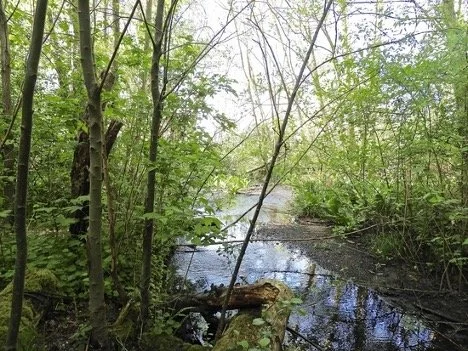
Willow Creek in Edmonds.
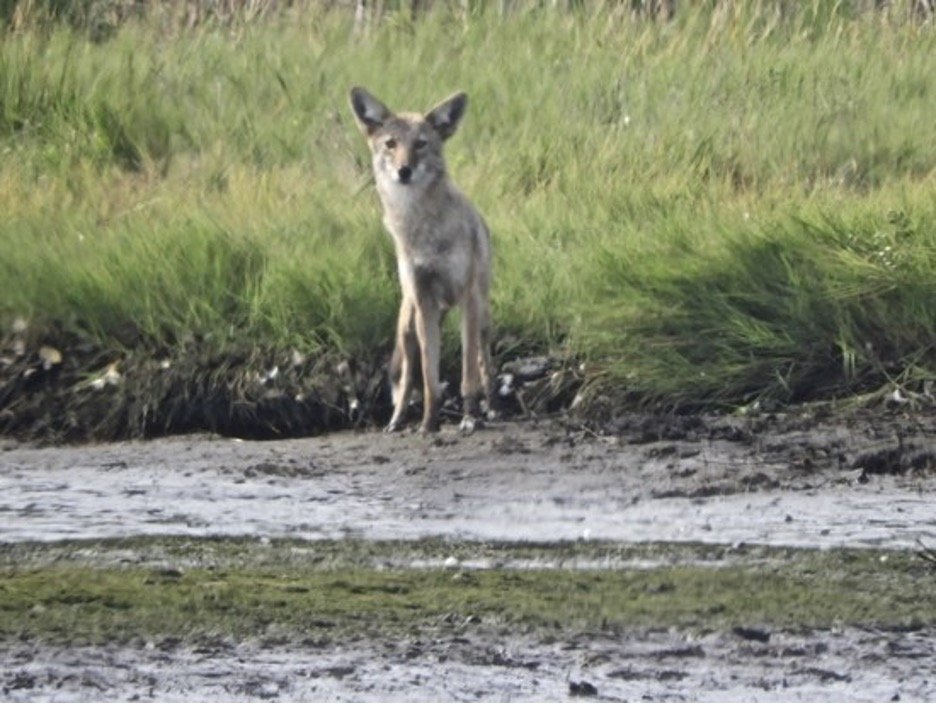
A coyote at the edge of Edmonds Marsh.
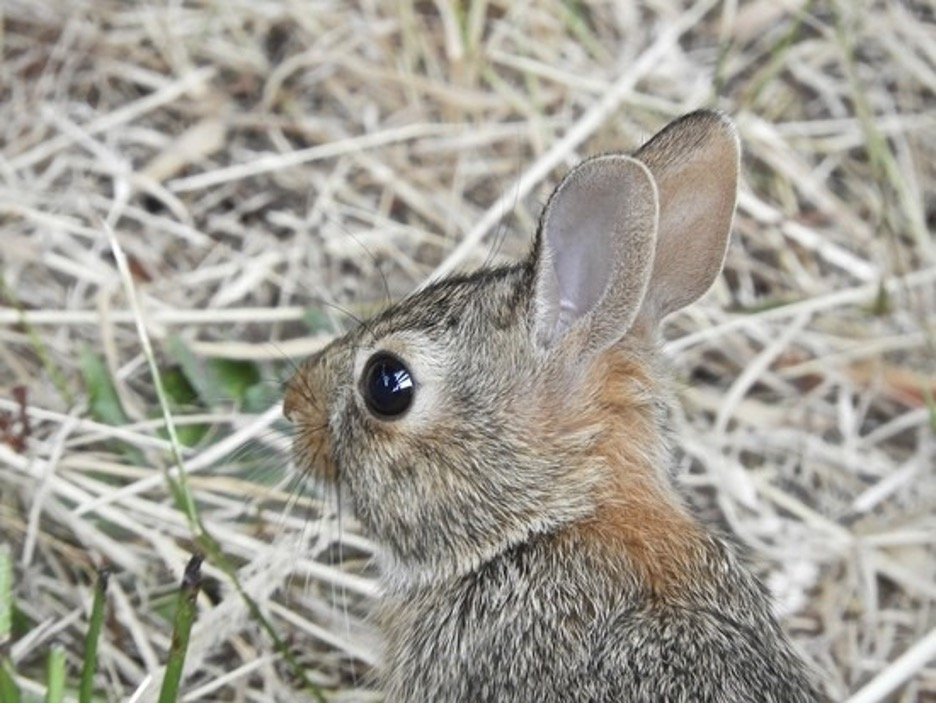
An invader, an Eastern Cottontail in Edmonds Marsh.
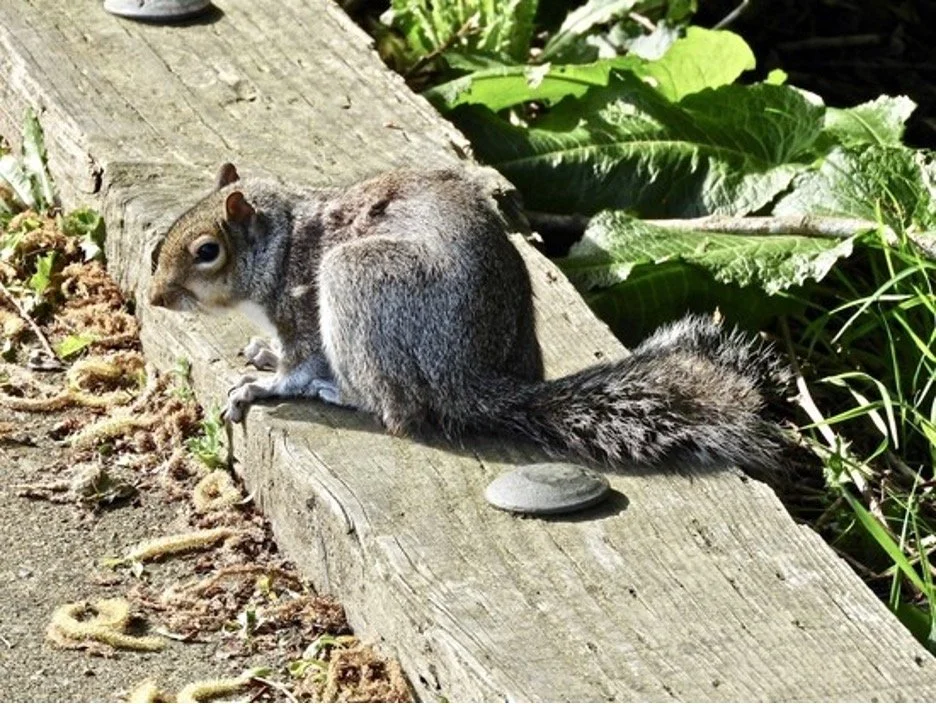
Another invader, the Eastern Gray Squirrel, Edmonds Marsh.
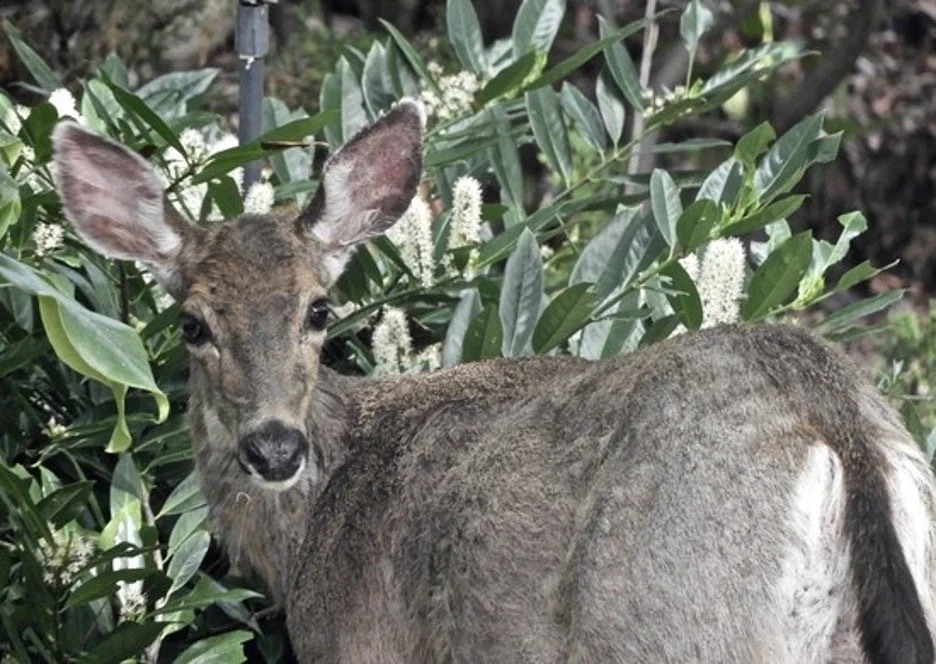
Columbian Black-tailed Deer doe at Willow Creek Hatchery.
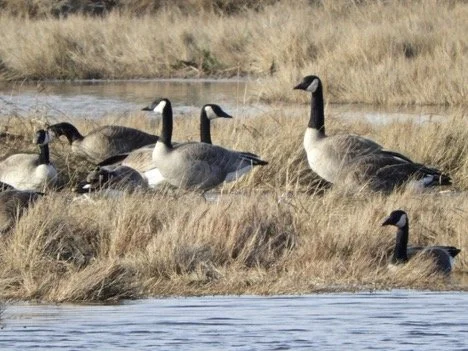
Canada Geese at Edmonds Marsh.
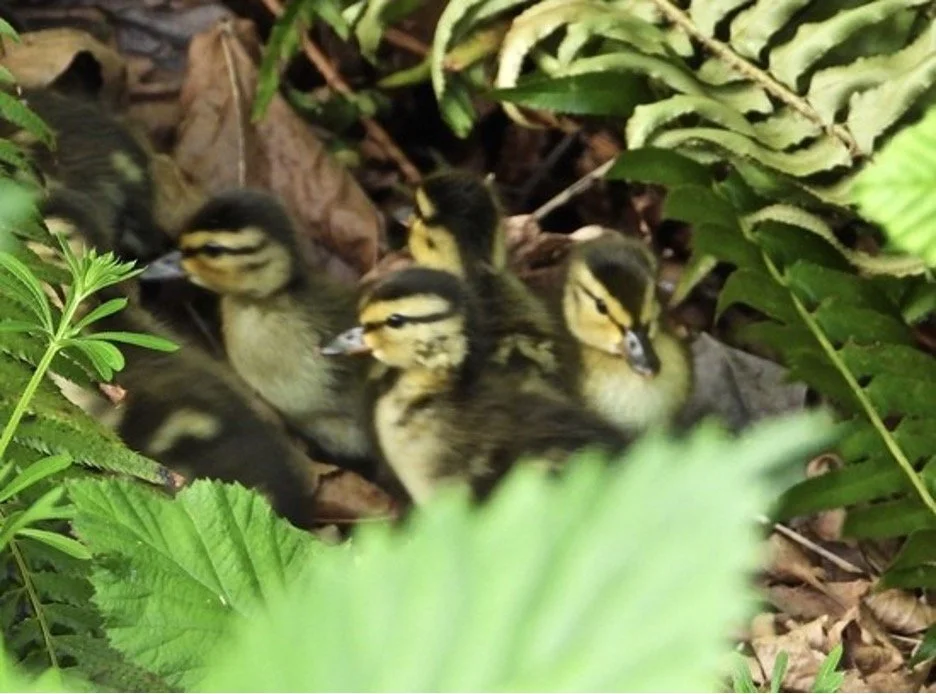
Mallard Ducklings, Willow Creek Hatchery.
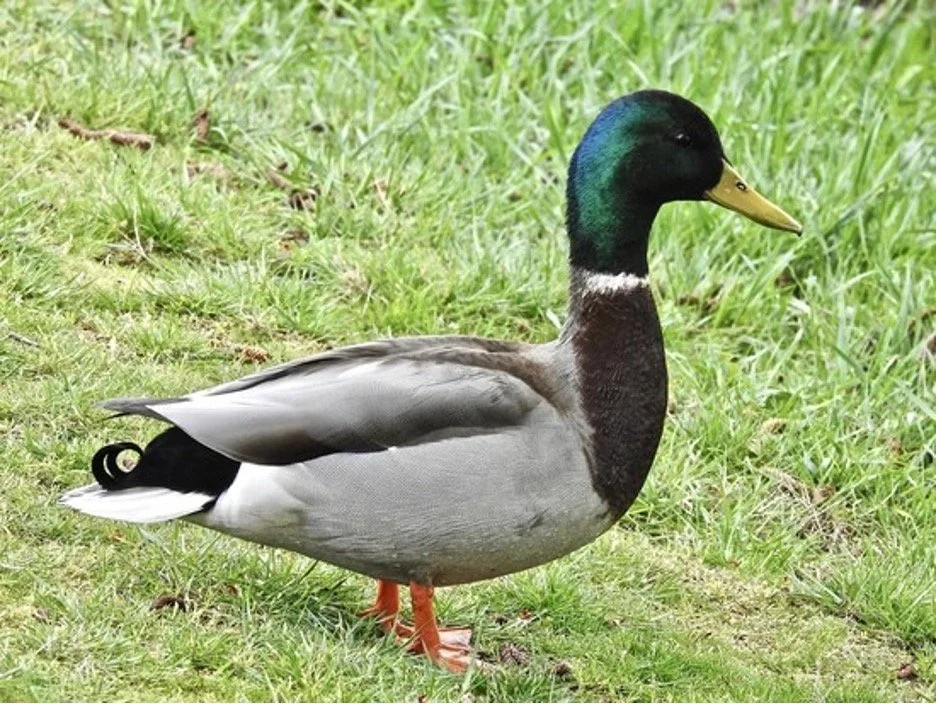
Mallard drake, Edmonds Marsh
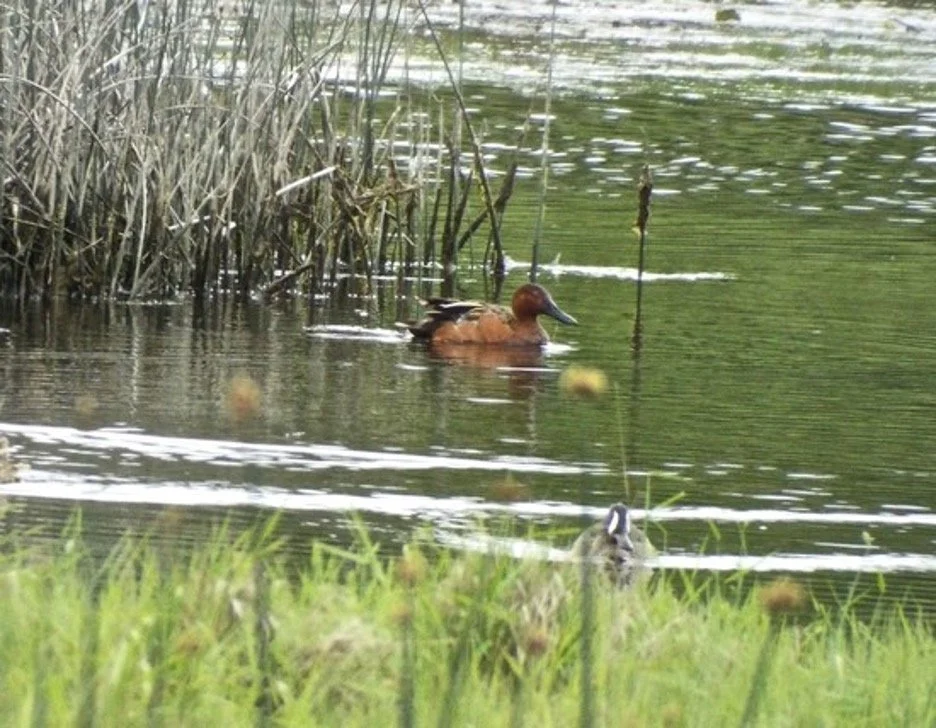
Cinnamon Teal drake, Edmonds Marsh
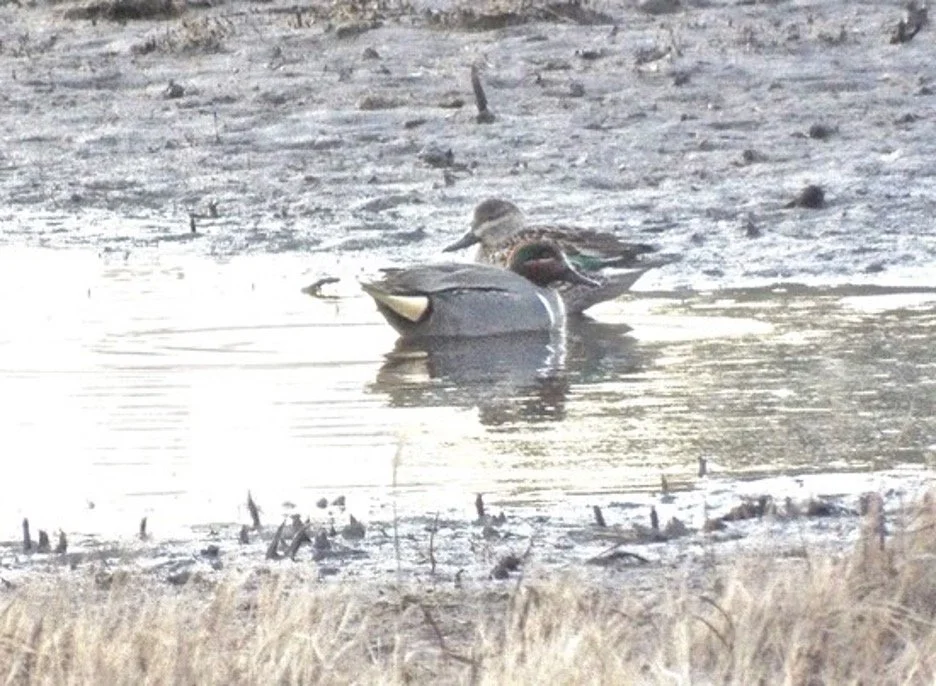
Green-wing Teal pair, Edmonds Marsh
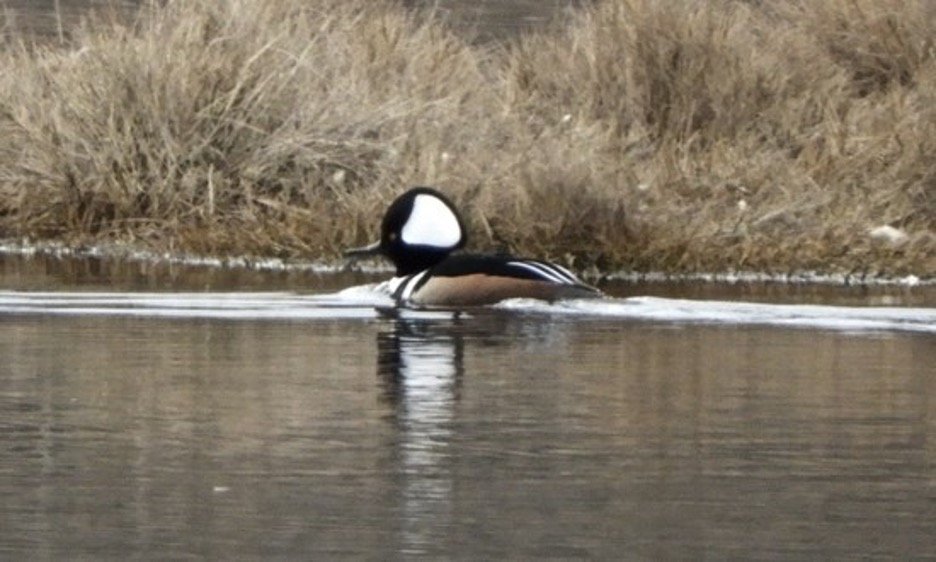
Hooded Merganser drake, Edmonds Marsh.
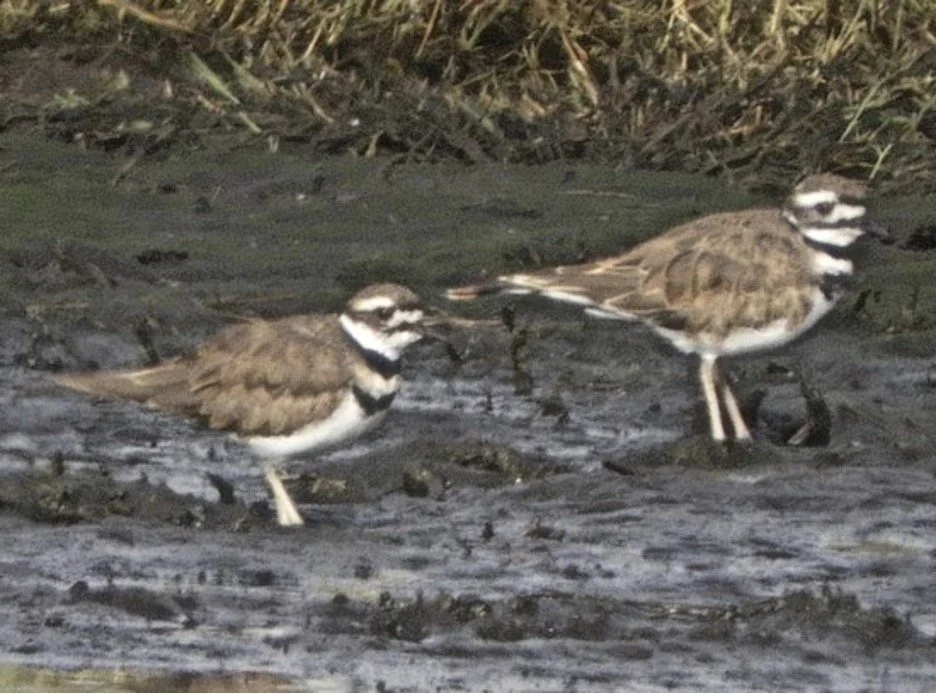
Killdeer in mud, Edmonds Marsh.
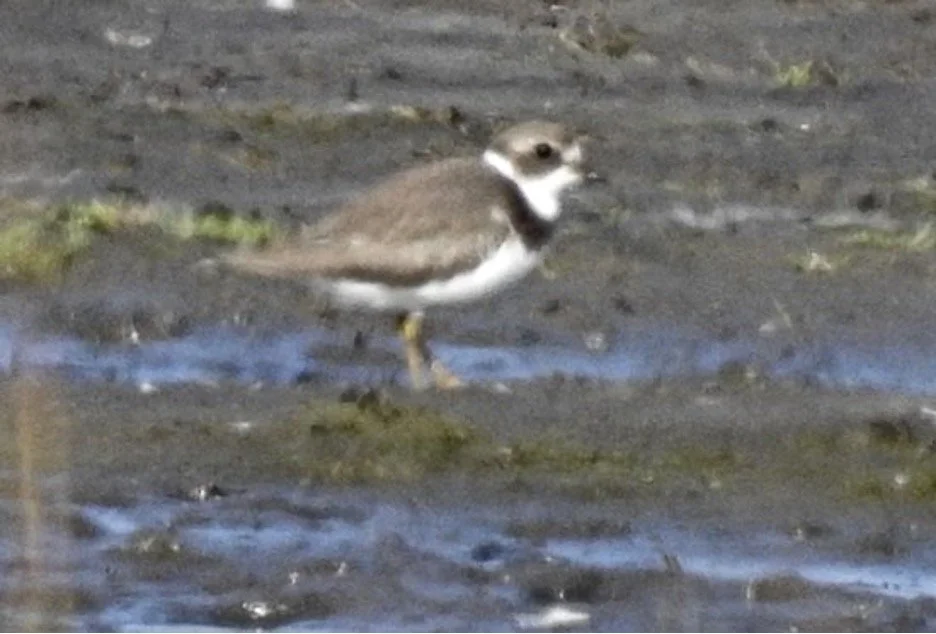
Semipalmated Plover, Edmonds Marsh. Not as good a photo, but the field marks are there.
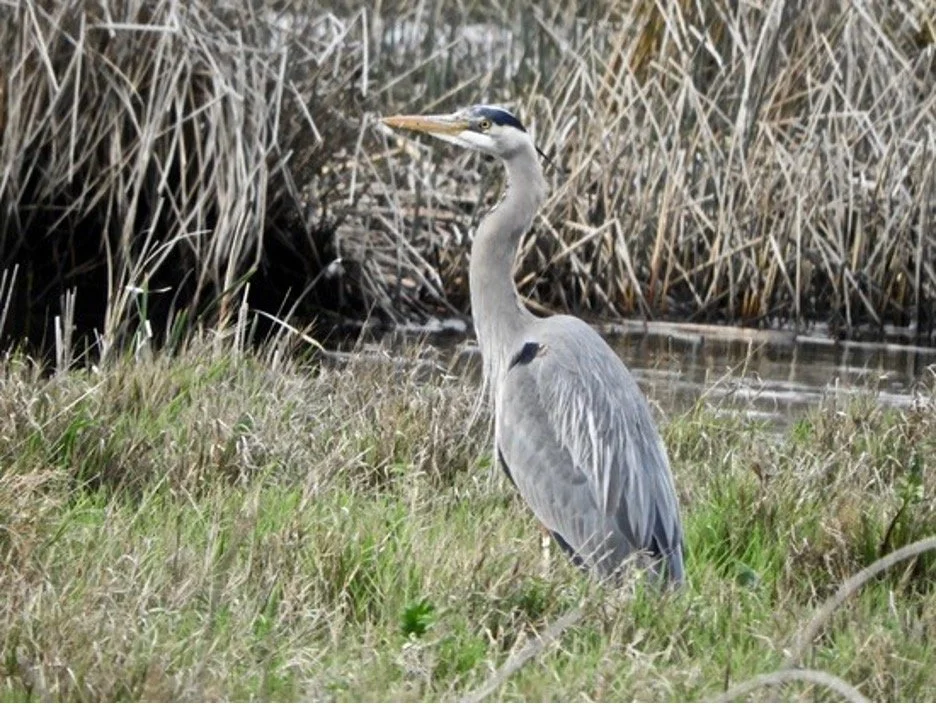
Great Blue Heron in Edmonds Marsh.
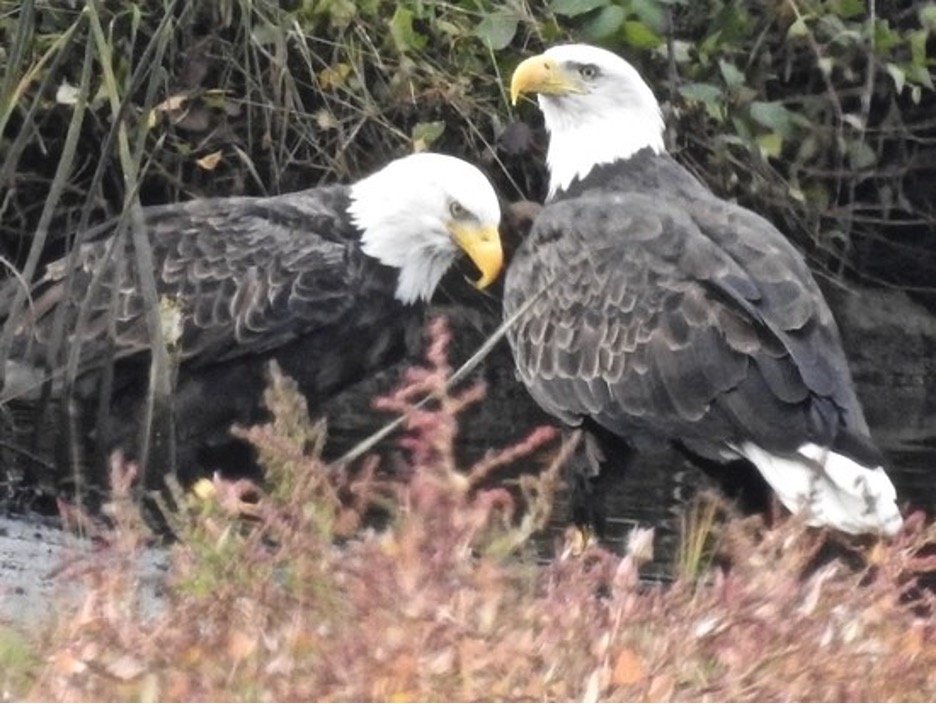
Bald Eagle pair at Edmonds Marsh
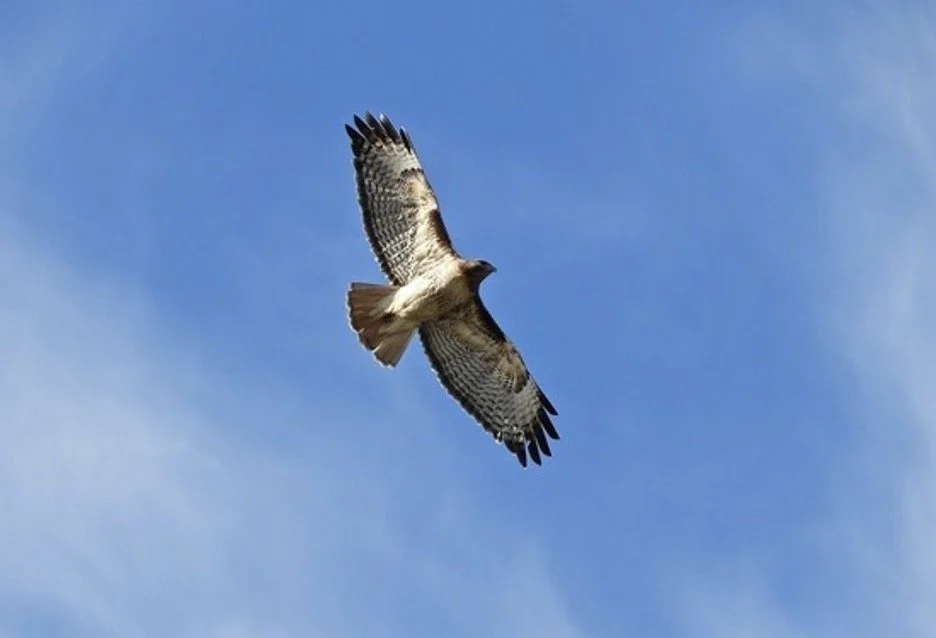
1Red-tailed Hawk over Edmonds Marsh.
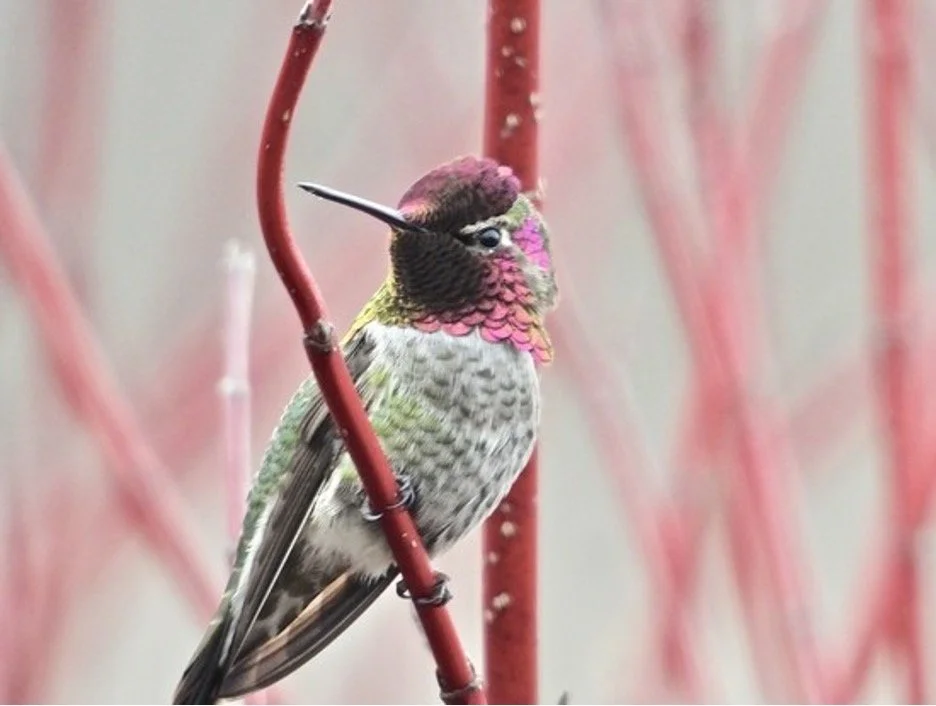
Anna’s Hummingbird, Edmonds Marsh.
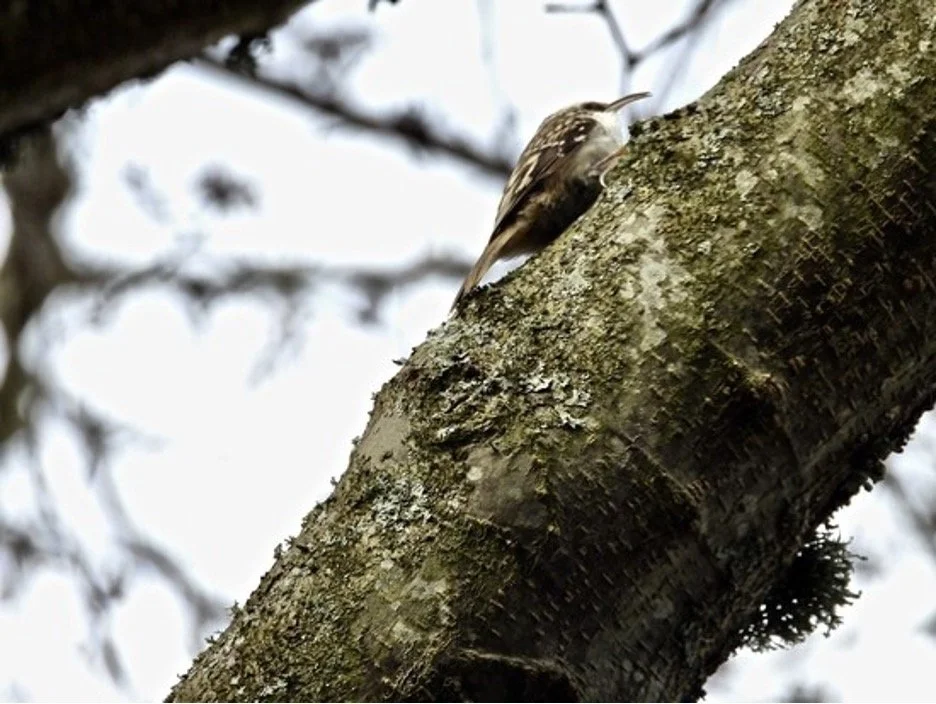
Brown Creeper, Edmonds Marsh.
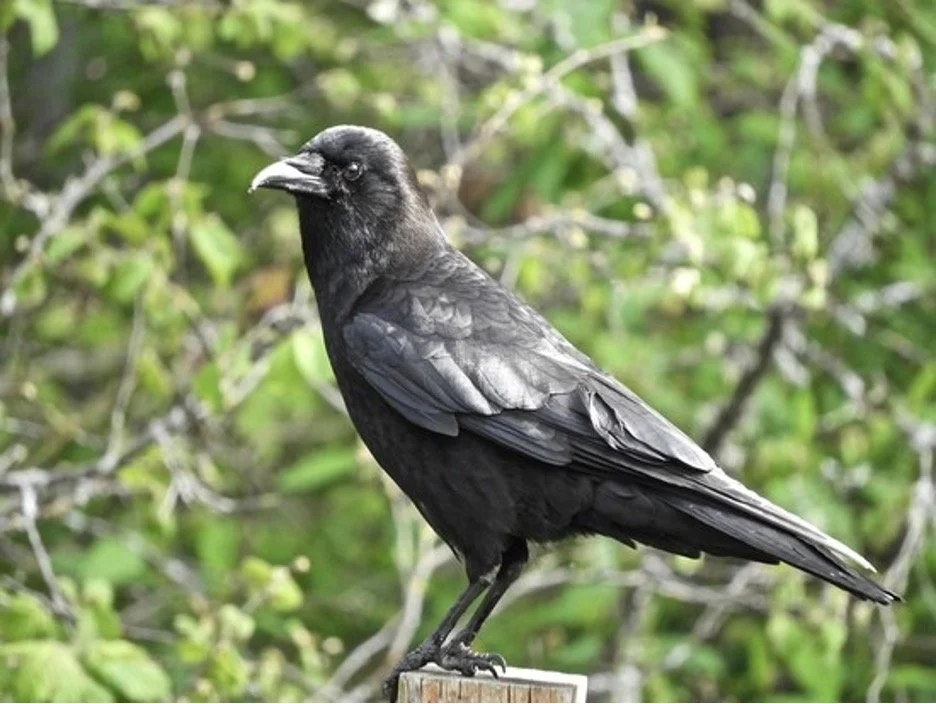
American Crow, Willow Creek Hatchery.
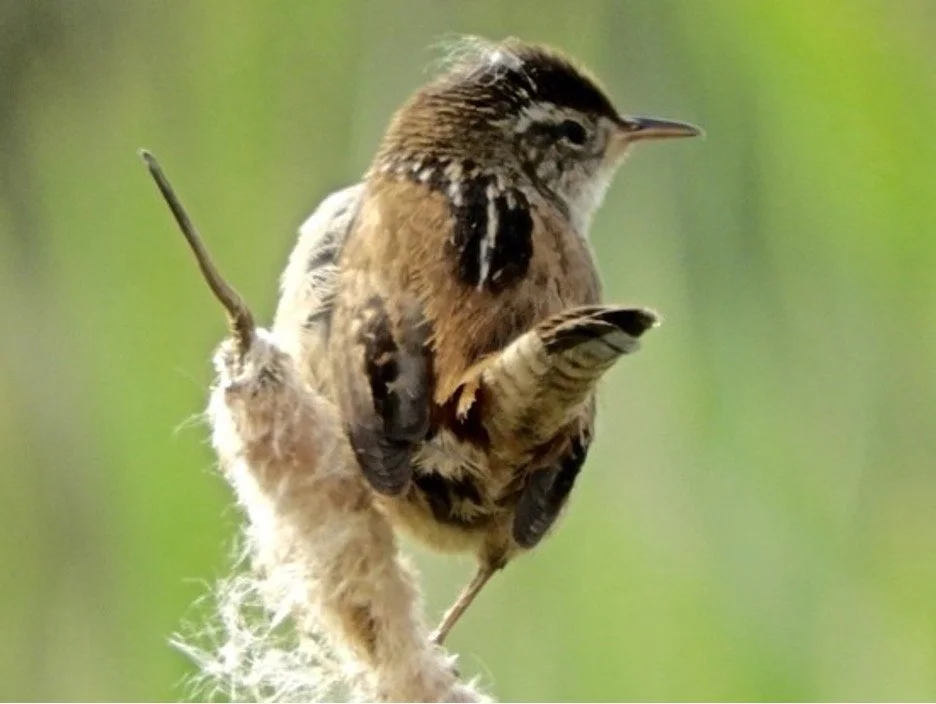
Marsh Wren on cattail, Edmonds Marsh.
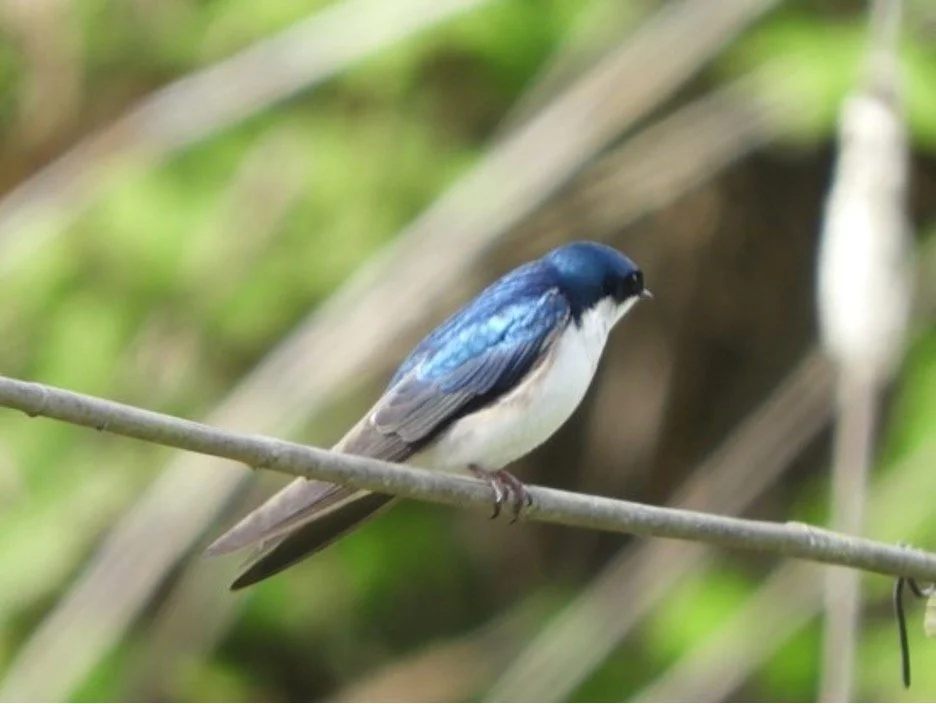
Male Tree Swallow at nest box, Edmonds Marsh.
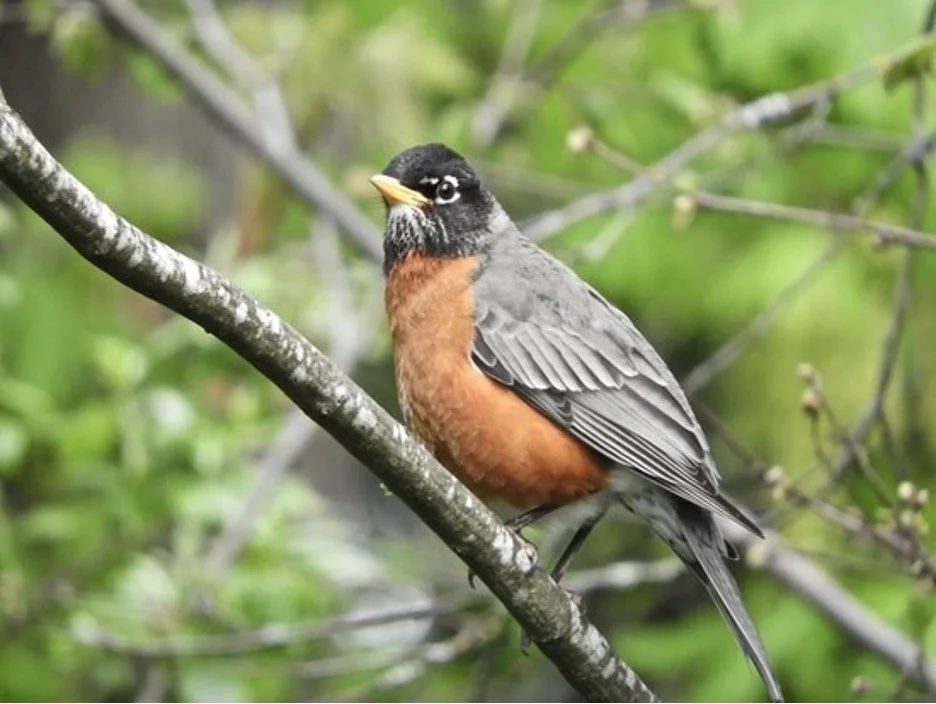
American Robin, Willow Creek Hatchery.
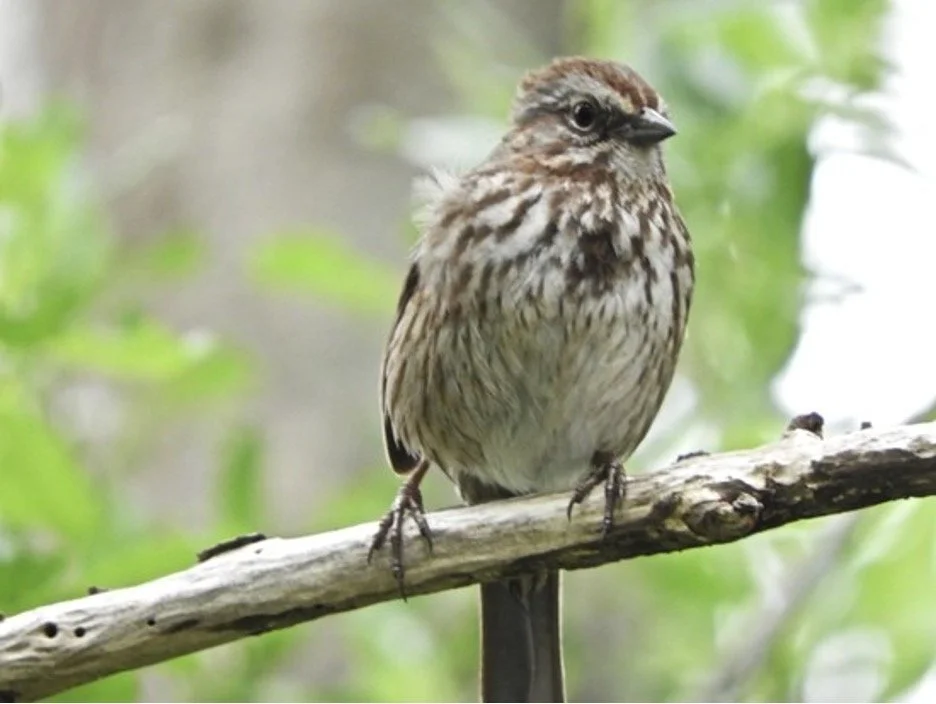
Song Sparrow, Edmonds Marsh.
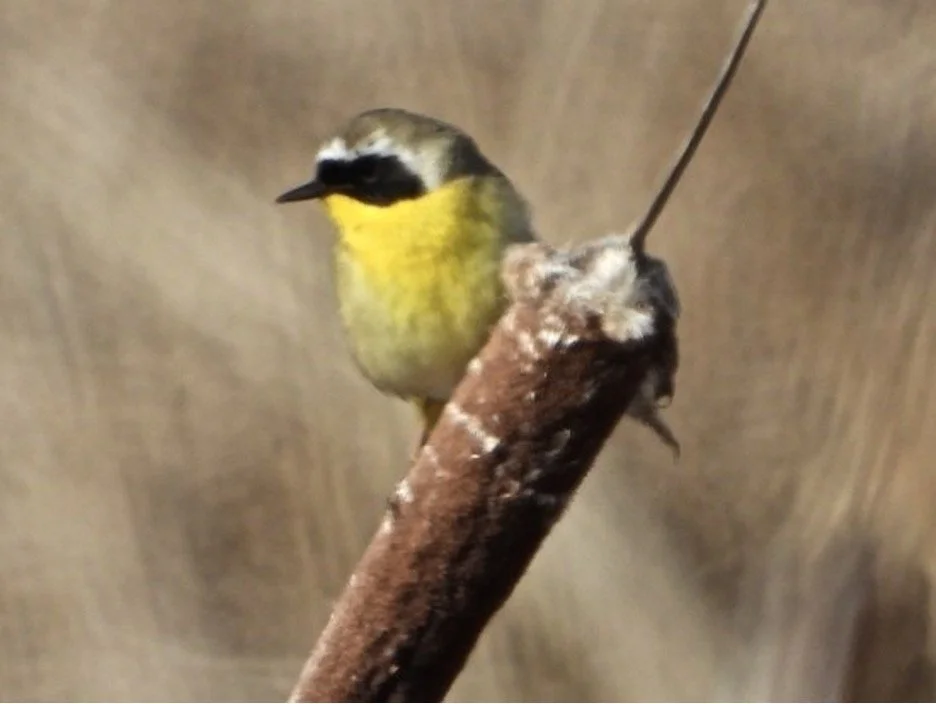
Common Yellowthroat, on cattail at Edmonds Marsh.
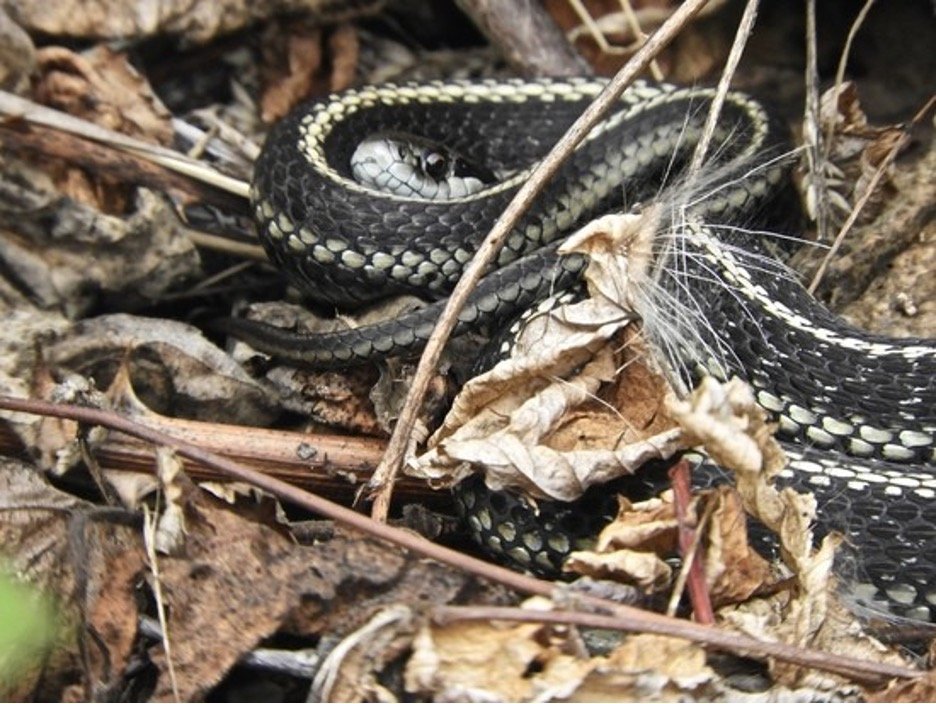
Northwestern Garter Snake, Willow Creek Hatchery.
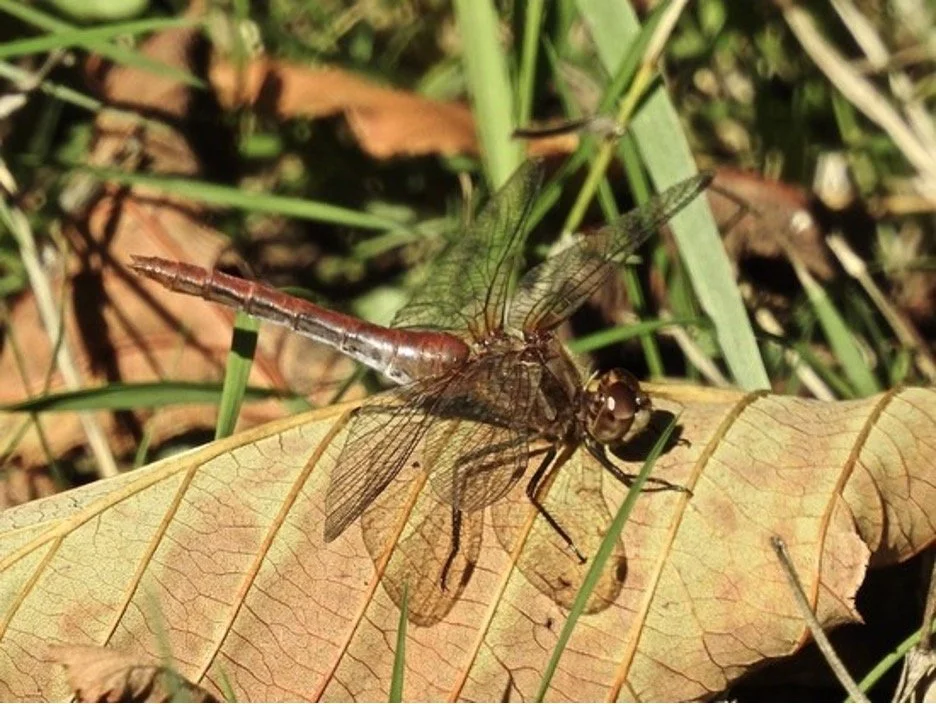
Striped Meadowhawk, Edmonds Marsh.
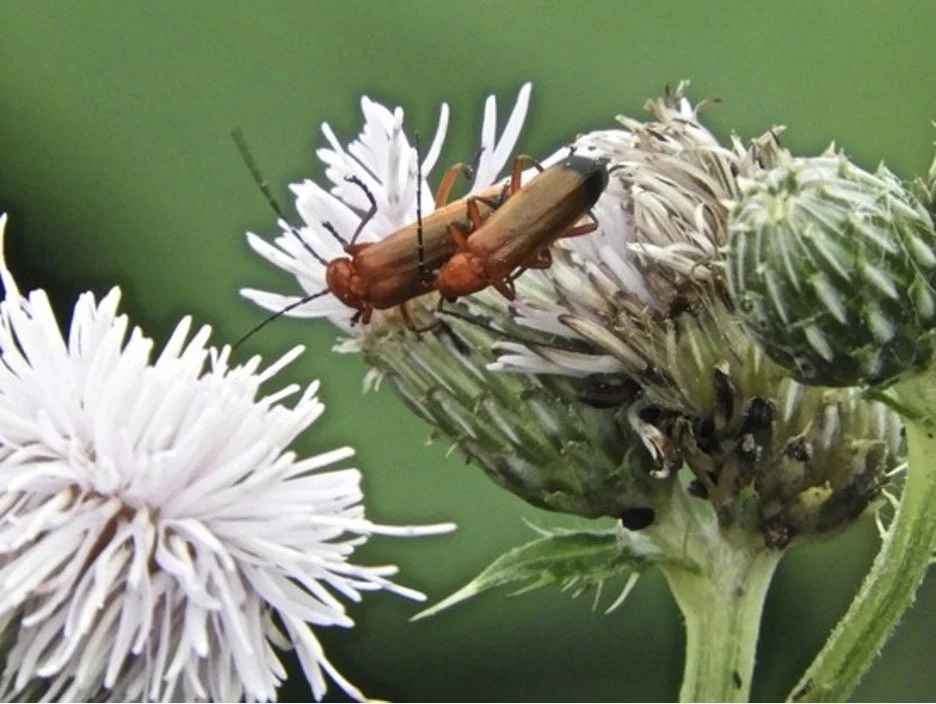
Mating Common Red Soldier Beetles, Edmonds Marsh. Unfortunately a European import.
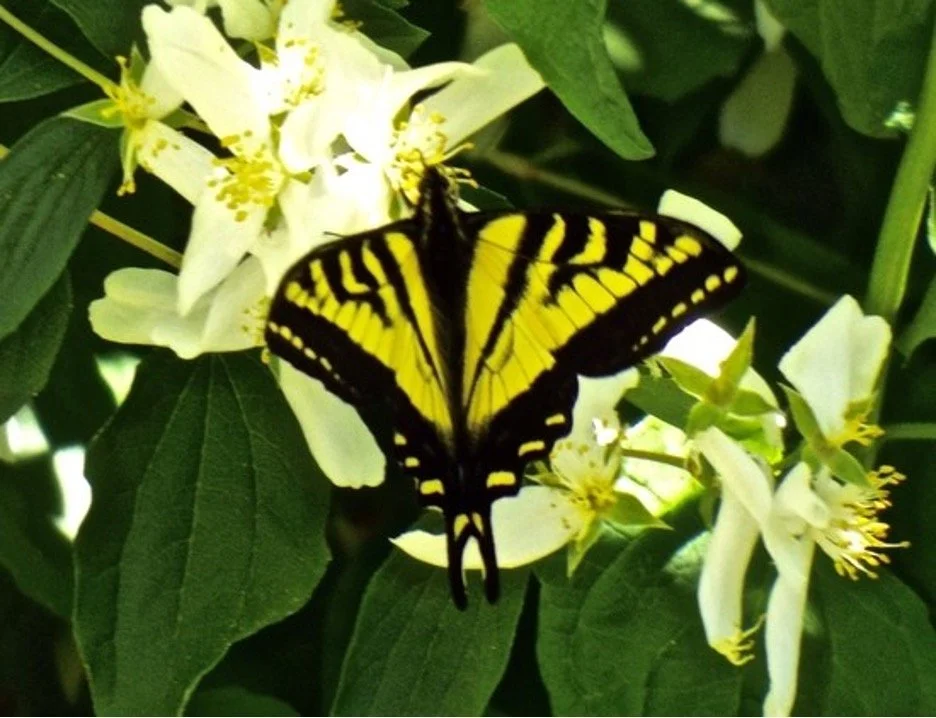
Western Tiger Swallowtail on mock orange, Willow Creek Hatchery.
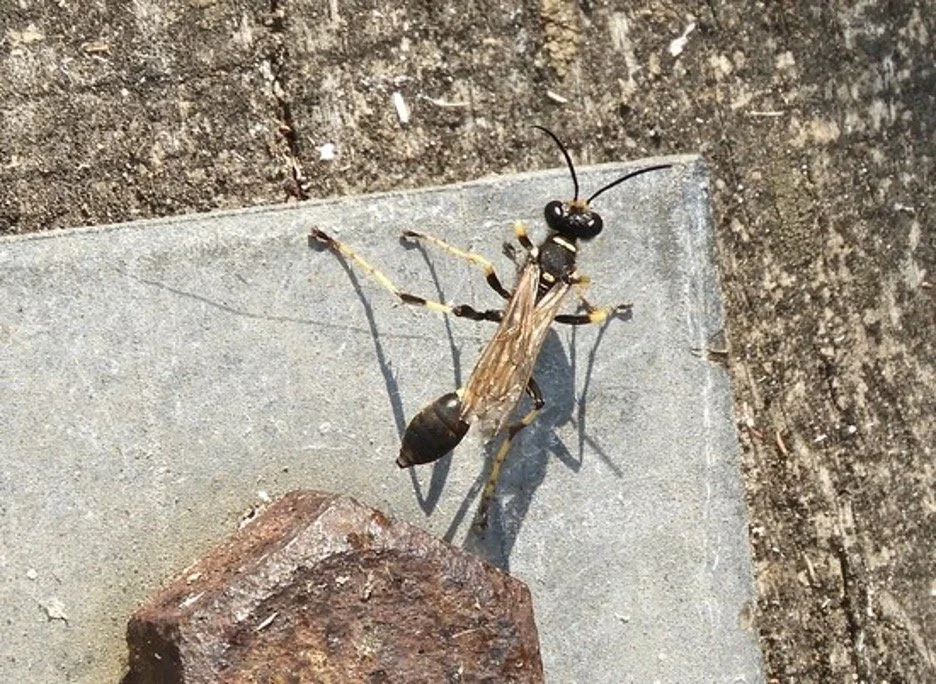
A Mud Dauber, Sceliphron caementarium, at one of the bolts for the boardwalk at Edmonds Marsh.
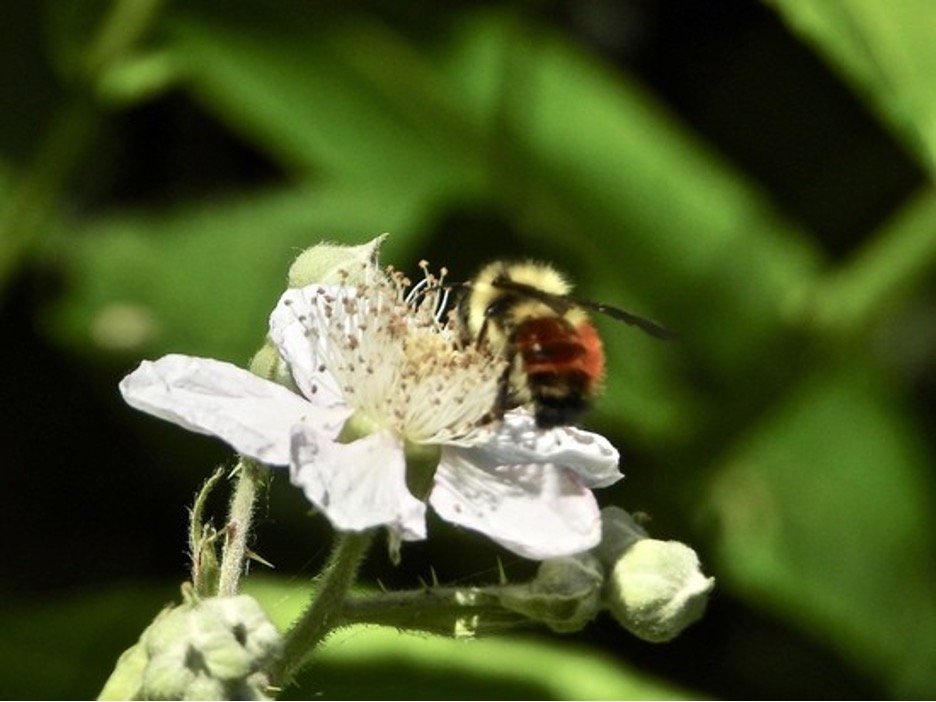
Black-tailed Bumble Bee on blackberry bloom,Willow Creek Hatchery.
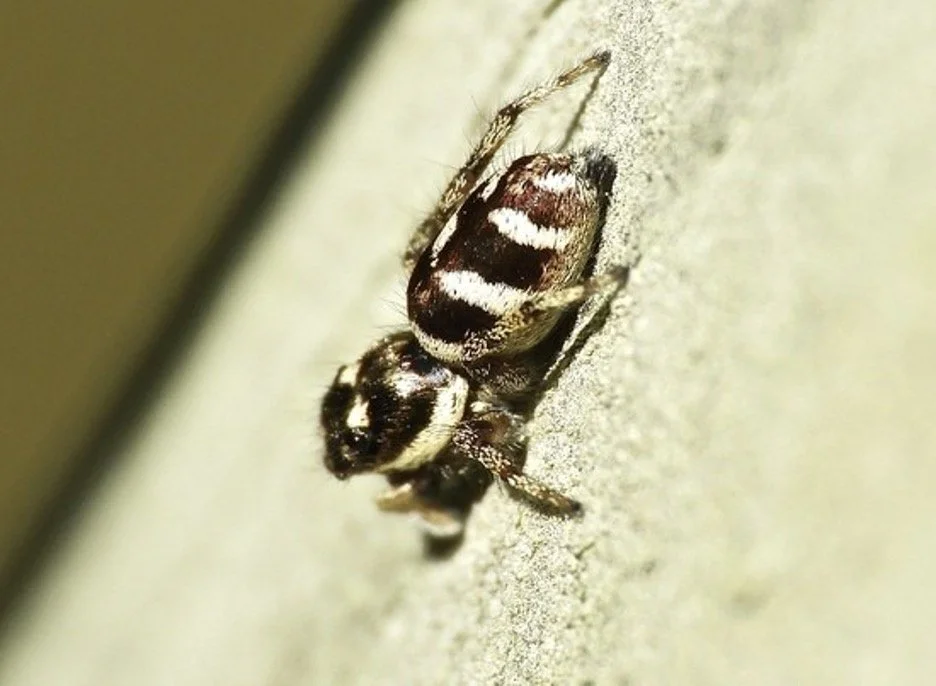
Zebra Spider, on railing of wooden platform at Edmonds Marsh. One of our few jumping spiders (sob), and it was imported from Europe!
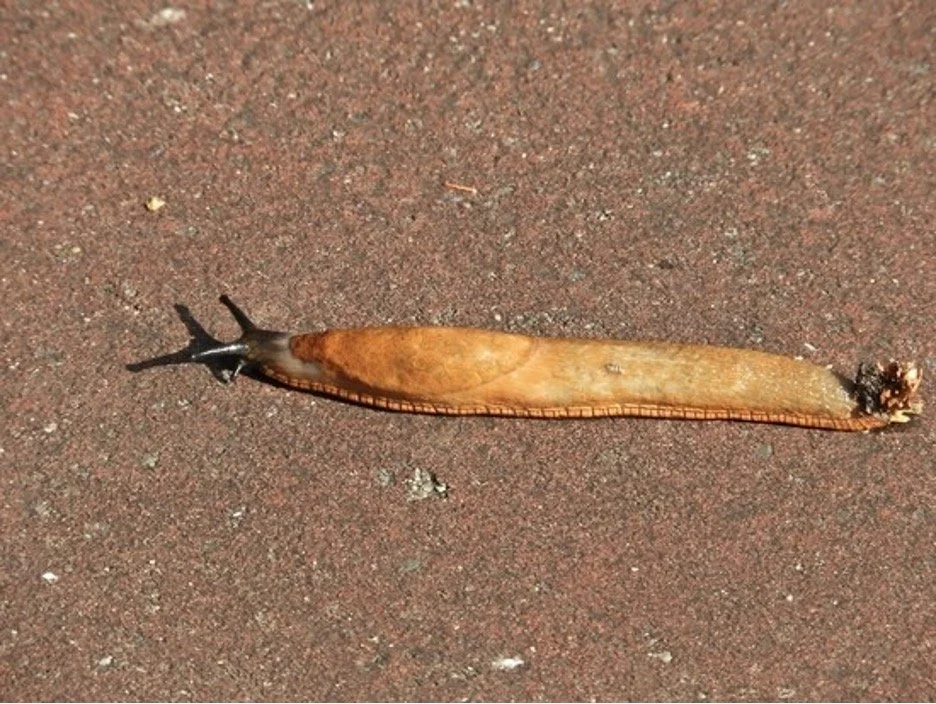
Arion rufus Slug?, Edmonds Marsh
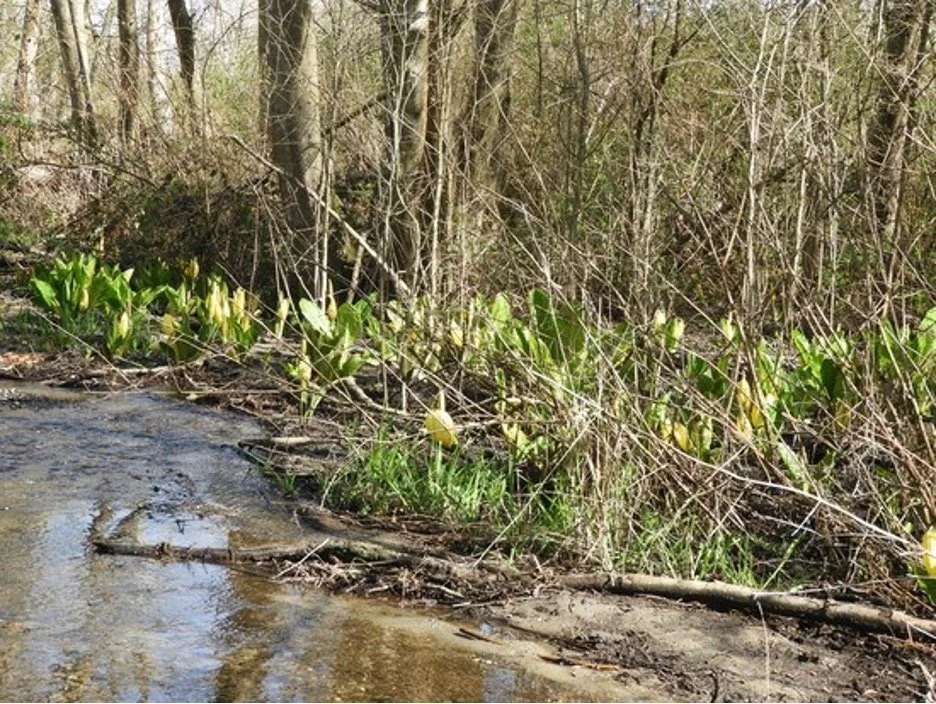
Western Skunk Cabbage along Willow Creek, Edmonds
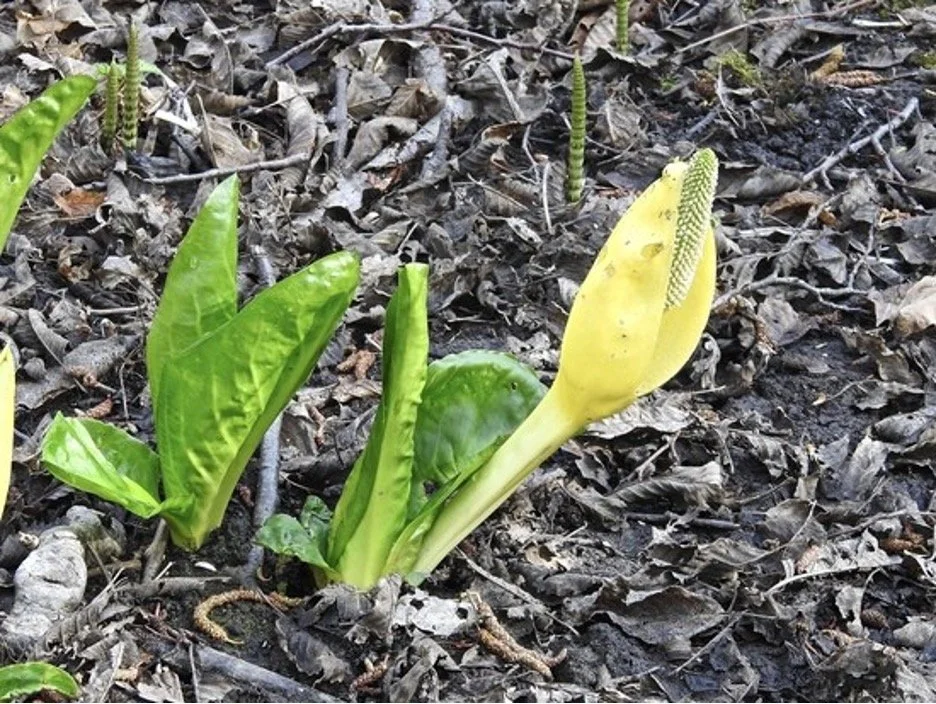
Individual Western Skunk Cabbage along Willow Creek, Edmonds
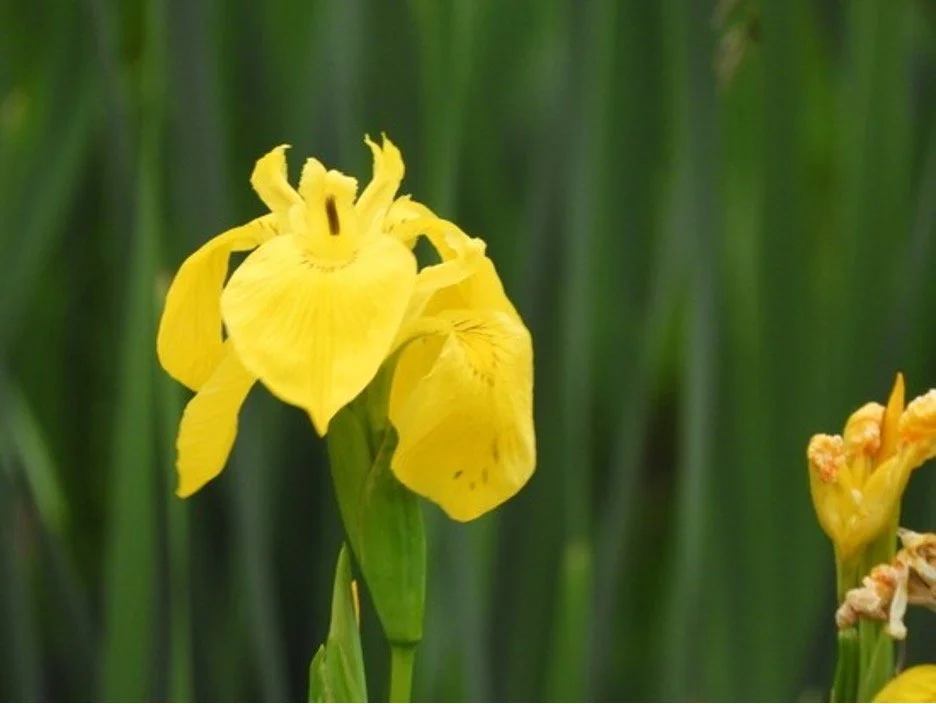
Yellow Iris, ditch near Edmonds Marsh. Beautiful, but imported.
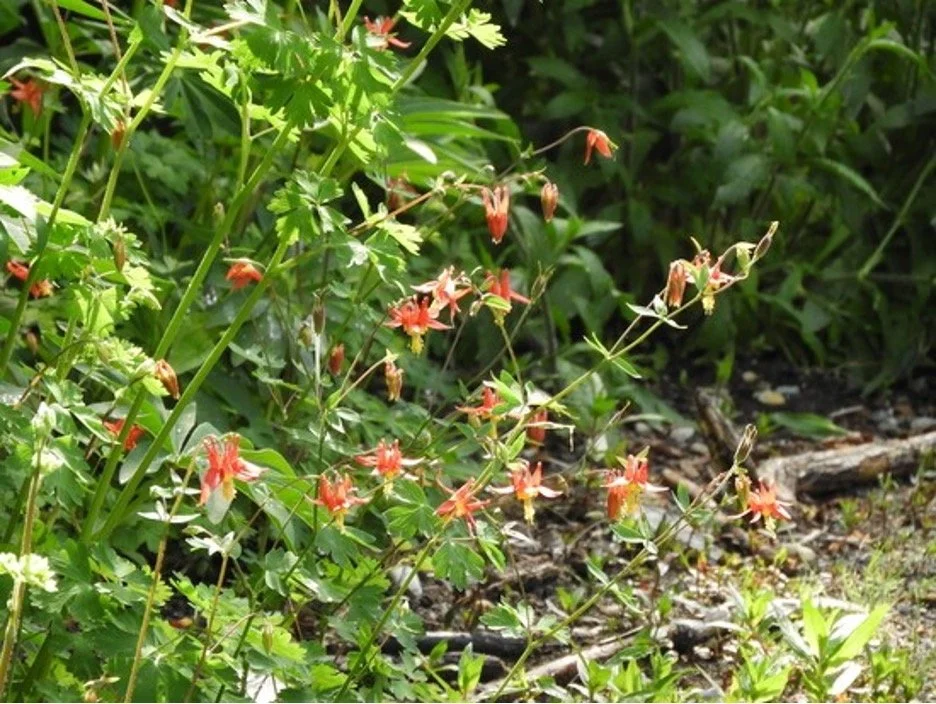
Red Columbine, Willow Creek Hatchery. Part of native plant garden.
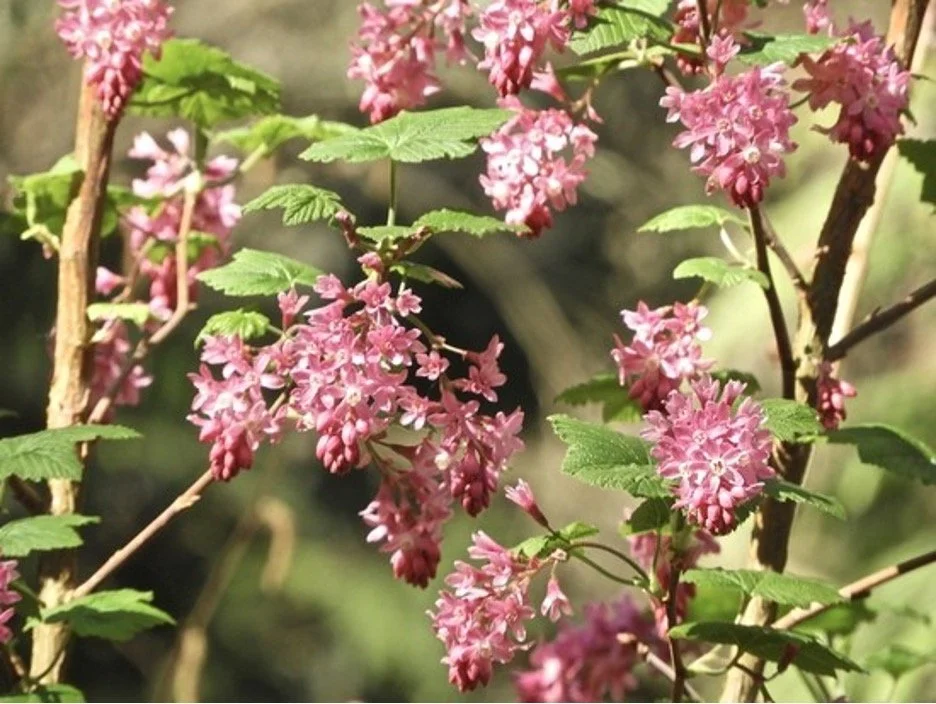
Red Currant, Willow Creek Hatchery.
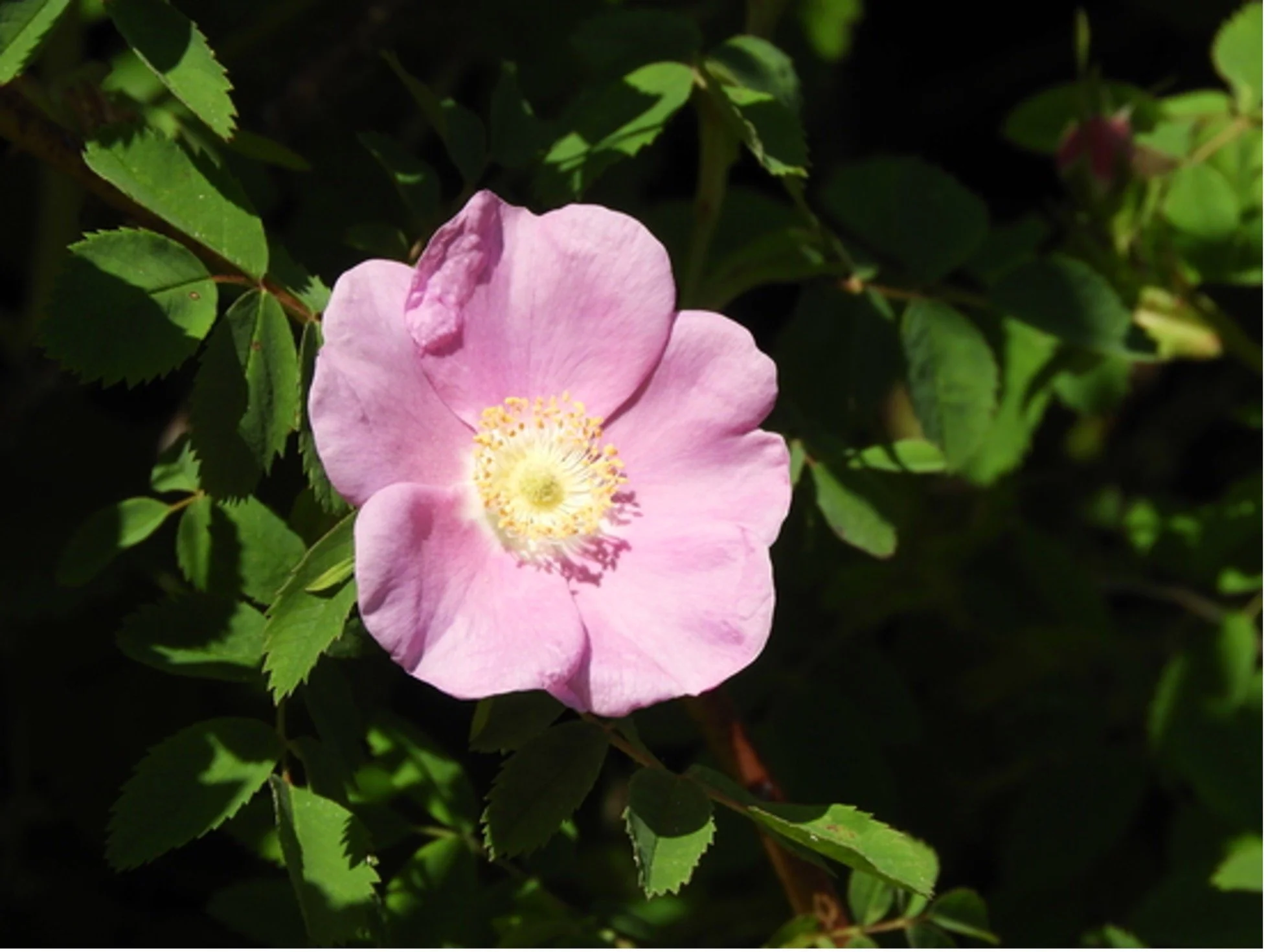
Nootka Rose. possibly planted in the Marsh to restore native flora. Edmonds Marsh.
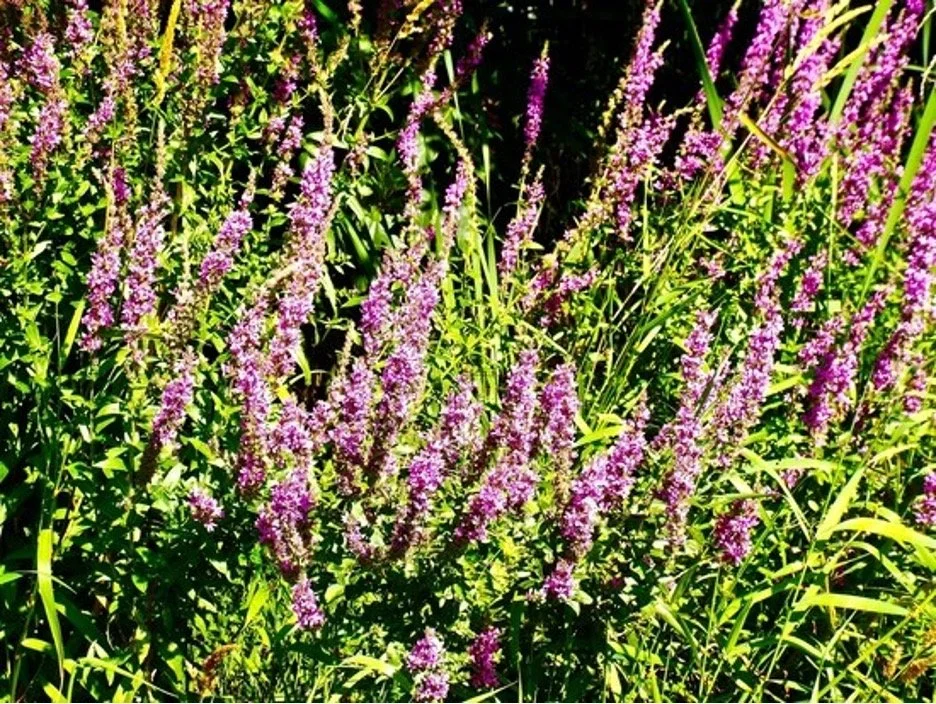
Purple Loosestrife, Edmonds Marsh. A terribly invasive weed.